Why do storage operators lose prospects while units sit on a waitlist?
Slow follow-up and disorganized lists let warm leads slip away to competitors.
Operators lose prospects to disorganized tracking, slow follow-up, and poor size matching. Names kept on scraps of paper get forgotten, a delay of days sends urgent renters elsewhere, and offering the wrong size wastes time. Ignoring a prospect for weeks lets a warm lead go cold.
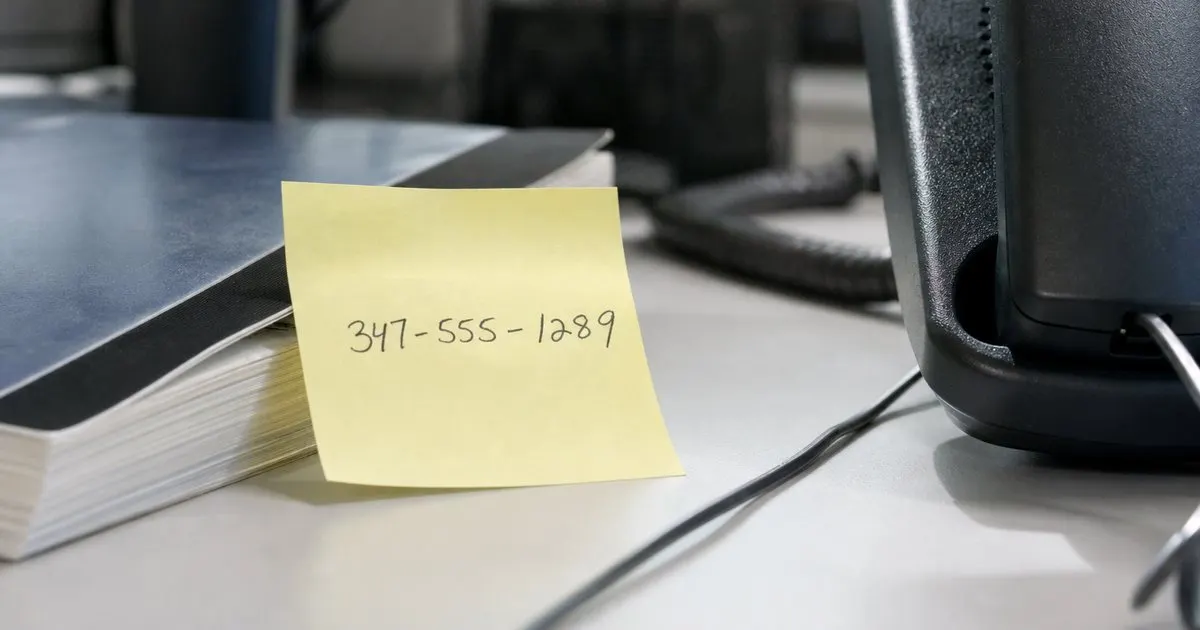
Sticky-note chaos
Many operators track interested prospects on scraps of paper or in memory. Those records get lost, and the prospect is forgotten the moment things get busy. Related: What details should operators collect from prospects joining a storage waitlist?
A disorganized list means missed connections. When a unit opens, you cannot find the person who wanted it, so they never get the call.
Keep reading: How can self-storage operators manage a waitlist when every unit is full?, What is the fastest way to alert prospects when a storage unit opens?, How should self-storage operators organize a waitlist by unit size and price?. See how StorageWaitr helps you storage unit waitlist and vacancy alerts.
Slow follow-up
Even with a list, slow follow-up loses prospects. Storage needs are often time-sensitive, and a prospect who waits days will rent from whoever calls first. Related: What is the fastest way to alert prospects when a storage unit opens?
The gap between a unit opening and your call is where prospects vanish. Every hour of delay shrinks your odds. Related: How can self-storage operators manage a waitlist when every unit is full?
No size matching
Without organizing by size, you may call the wrong people or overlook the right ones. Offering a large unit to someone who wanted a small one wastes both parties' time. Related: How should self-storage operators organize a waitlist by unit size and price?
Poor matching also erodes trust. Prospects tune out an operator who keeps offering the wrong thing.
No engagement over time
A prospect added and then ignored for weeks may lose interest or solve their storage need elsewhere. Silence lets the lead go cold.
Occasional contact keeps the relationship alive, so the prospect is ready to act when a unit finally becomes available.
- Disorganized lists lose prospects
- Slow follow-up sends leads to competitors
- Poor size matching wastes everyone's time
- Silence lets warm leads go cold

Julien Jimenez
Julien Jimenez is an independent software builder based in Paris. He designs, ships, and operates focused SaaS products for small businesses and independent professionals. Read the full author page.
Frequently asked questions
How does slow follow-up cost you a rental?
The gap between a unit opening and your call is where prospects vanish. Storage needs are time-sensitive, so a prospect who waits days will simply rent from whoever contacts them first.
Why does poor size matching erode trust?
Repeatedly offering the wrong size makes a prospect tune you out. It wastes both parties time and signals that you have not tracked what they actually asked for.
Fill units the moment they open
Storage unit waitlist and vacancy alerts. StorageWaitr is built to help you put this into practice.
Start freeMore from the StorageWaitr blog

How can self-storage operators manage a waitlist when every unit is full?

What is the fastest way to alert prospects when a storage unit opens?

How should self-storage operators organize a waitlist by unit size and price?
Get the StorageWaitr playbook
Practical guides on storage waitlist management, straight to your inbox as we publish them. No spam, unsubscribe any time.