
Storage waitlist management
How can self-storage operators manage a waitlist when every unit is full?
A full facility is a demand signal, and a good waitlist turns it into future rentals.
Practical, honest advice from the team behind StorageWaitr, written to help you do this well.
A full facility is a demand signal, and a good waitlist turns it into future rentals.

Automatic alerts to matching prospects beat manual calls every time on speed.

Slow follow-up and disorganized lists let warm leads slip away to competitors.

Structuring the list by size and price makes matching openings fast and fair.

The moment demand exceeds supply is the moment to start capturing leads.
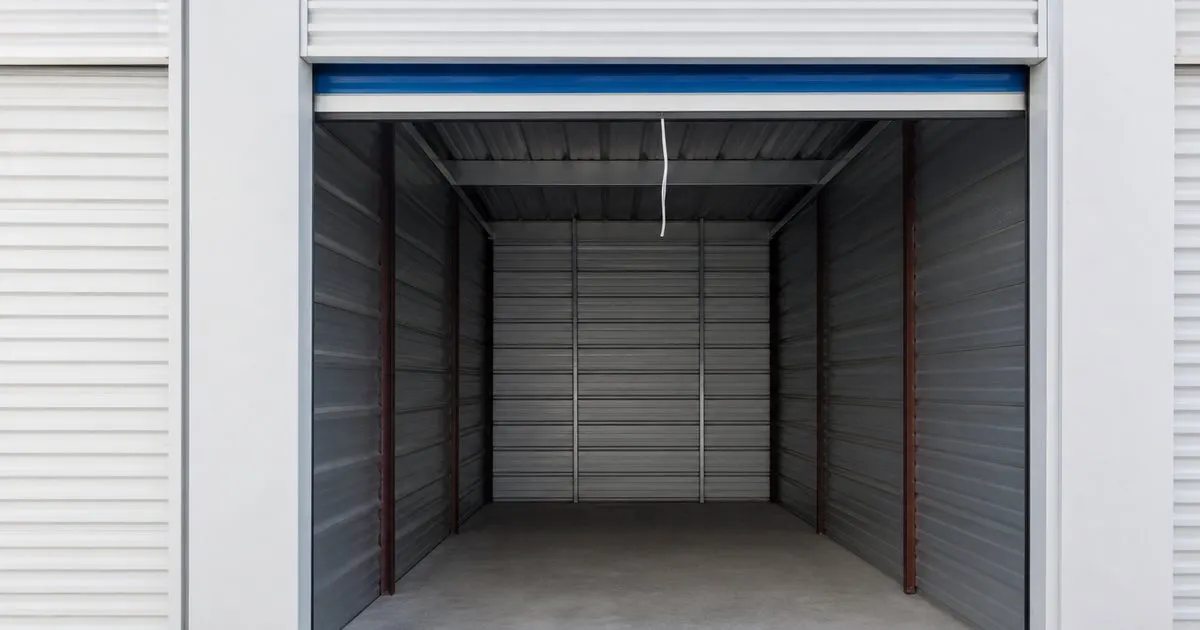
Knowing which sizes move quickest helps you prioritize waitlists and pricing.

Fast, targeted alerts convert more waitlisted prospects into paying renters.

The right intake details make matching and follow-up quick when a unit opens.

Measuring conversions turns a waitlist from a guess into a managed pipeline.

Hold windows are where waitlists either work or quietly fall apart. Here is how to pick a window that respects the prospect without leaving revenue on the table.

Silence from a prospect is information, not a dead end. Here is how to separate the busy from the gone, and what to do with each.

Deposits filter out tire-kickers but can also scare off good prospects. Here is how to decide whether to charge, how much, and under what terms.

A waitlist that nobody prunes stops telling you the truth about demand. Here is why lists decay and a cleanup rhythm that keeps yours usable.

First come, first served sounds simple until three people want the same 10x10. Here is how to set priority rules that hold up when prospects push back.

A deep, confirmed waitlist is the cleanest pricing signal a small operator has. Here is how to read it without overreaching.

A long waitlist is tempting evidence for expansion. Here is how to tell a real supply gap from a temporary spike before committing to construction or conversion.

The unit that opens is rarely the exact one the prospect asked for. Here is how to offer substitutes that land as help rather than a bait and switch.

The gap between a move-out notice and a rentable unit is where days of rent disappear. Here is how to line up alerts with the actual state of the unit.

Two nearby sites can share one demand pool if you record travel tolerance at intake and enforce one hold per unit and per prospect. Here is the setup that keeps both counters from promising the same door.

Delinquent units look like future inventory, but the tenant can pay up at any point and the contents may sit there long after the sale. Here is how to forecast lien units without making promises you cannot keep.