Which unit sizes tend to fill fastest at a typical self-storage facility?
Knowing which sizes move quickest helps you prioritize waitlists and pricing.
Mid-size units, often around ten by ten, usually see the strongest demand because they suit common moves and seasonal storage. Small units turn over frequently thanks to their lower price, while large-unit demand varies by local market. Your own occupancy data is the truest guide to what fills fastest.
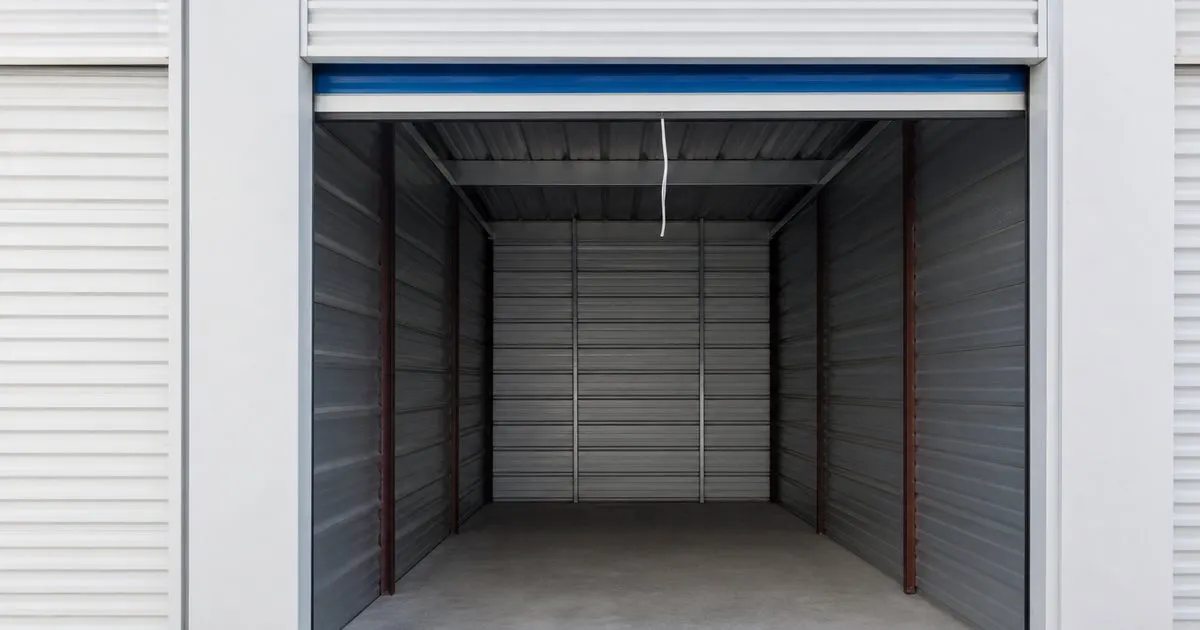
Mid-size units are popular
Medium units, often in the ten by ten range, tend to be in strong demand because they suit common needs like a one or two bedroom move or seasonal storage. Related: Why do storage operators lose prospects while units sit on a waitlist?
Because they fit so many situations, these sizes often fill quickly and stay occupied, making them prime candidates for a waitlist.
Keep reading: How can self-storage operators manage a waitlist when every unit is full?, What is the fastest way to alert prospects when a storage unit opens?, Why do storage operators lose prospects while units sit on a waitlist?. See how StorageWaitr helps you storage unit waitlist and vacancy alerts.
Small units for light needs
Small units appeal to people storing a few boxes, business inventory, or seasonal items. Their lower price point draws steady interest.
High turnover in small units can create frequent openings, so a waitlist helps you fill them fast between renters.
Large units vary by market
Demand for large units depends heavily on the local market. In areas with big households or businesses, they move fast, while elsewhere they can linger.
Because large units carry higher rates, a short vacancy costs more. Tracking demand helps you decide how many to offer. Related: When should a storage facility start a waitlist instead of turning people away?
Let your data guide you
General patterns are a starting point, but your own facility is the real guide. Tracking which sizes fill fastest and generate the most waitlist interest tells you where to focus. Related: How can self-storage operators manage a waitlist when every unit is full?
Over time this data shapes smarter decisions on pricing, unit mix, and where a waitlist adds the most value. Related: How should self-storage operators organize a waitlist by unit size and price?
- Mid-size units often see the strongest demand
- Small units turn over frequently
- Large-unit demand varies by local market
- Let your own occupancy data guide priorities

Julien Jimenez
Julien Jimenez is an independent software builder based in Paris. He designs, ships, and operates focused SaaS products for small businesses and independent professionals. Read the full author page.
Frequently asked questions
Why do mid-size units stay in such steady demand?
A ten by ten fits many common situations, like a one or two bedroom move or seasonal storage. Because they suit so many needs, they tend to fill quickly and stay occupied.
Why does a short vacancy in a large unit cost more?
Large units carry higher rates, so every empty day represents more lost revenue than a small unit. Tracking demand helps you decide how many large units to offer.
Fill units the moment they open
Storage unit waitlist and vacancy alerts. StorageWaitr is built to help you put this into practice.
Start freeMore from the StorageWaitr blog

How can self-storage operators manage a waitlist when every unit is full?

What is the fastest way to alert prospects when a storage unit opens?

Why do storage operators lose prospects while units sit on a waitlist?
Get the StorageWaitr playbook
Practical guides on storage waitlist management, straight to your inbox as we publish them. No spam, unsubscribe any time.