When should a self-storage operator treat waitlist depth as a signal to add more units?
A long waitlist is tempting evidence for expansion. Here is how to tell a real supply gap from a temporary spike before committing to construction or conversion.
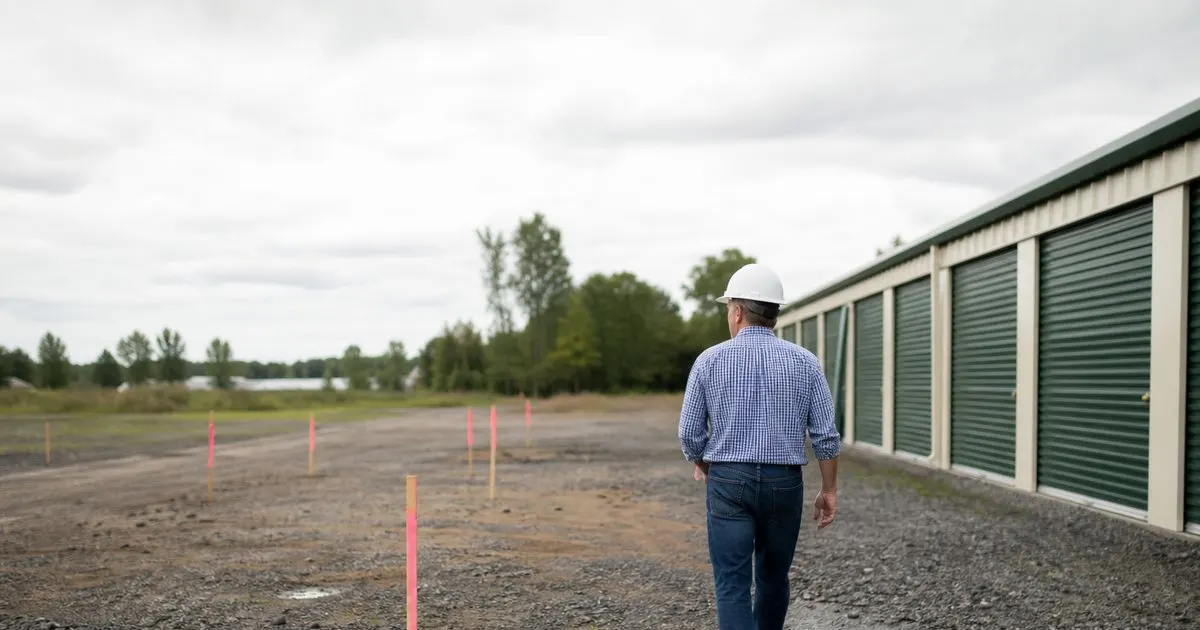
The difference between a queue and a gap
A queue forms whenever demand briefly exceeds supply. Every facility near a university has one in late spring, and every facility near a military base has one around orders season. A gap is different: it is a queue that persists across seasons, clears slowly, and keeps refilling as fast as units turn. Only a gap justifies adding capacity, because new units built for a queue will sit half empty the rest of the year.
Telling them apart takes time-series data, not a snapshot. If your waitlist has been deep on a size for at least a full year, including the slow months, and the prospects on it are confirmed and recent, you are probably looking at a gap. If the list balloons in May and shrinks to nothing by August, you are looking at a queue, and the right response is pricing and scheduling rather than concrete. Related: How should self-storage operators organize a waitlist by unit size and price?
Keep reading: How can self-storage operators manage a waitlist when every unit is full?, What is the fastest way to alert prospects when a storage unit opens?, Why do storage operators lose prospects while units sit on a waitlist?. See how StorageWaitr helps you storage unit waitlist and vacancy alerts.
Conversion before construction
Before considering new buildings, look at whether the existing footprint can be reshaped. A deep list on 5x10 units paired with a few chronically vacant 10x30 units is a conversion problem: subdividing large units with partitions is far cheaper and faster than building, and it addresses the exact size where demand is unmet. The same logic applies in reverse when small units sit empty and the list is full of people wanting drive-up 10x20 space.
Conversions carry their own constraints. Partitioning changes fire code and access considerations, may require permits, and can disrupt current tenants if the large units are occupied. Model the outcome with your actual numbers: how many of the new small units the waitlist would absorb immediately, and how many months of rent at the new size it takes to recover the conversion cost. If the list absorbs most of the new units on day one, the case is strong. Related: Why do storage operators lose prospects while units sit on a waitlist?
Building the case with waitlist data
Lenders, partners, and your own judgment all need the same evidence. Pull the confirmed waitlist depth by size for each month over the last one to two years. Add the average time a prospect waited before being offered a unit and the conversion rate once offered. Then add what happened to prospects who were never offered anything: how many gave up, and where you believe they went. The story those numbers tell is far more persuasive than a statement that the list is long. Related: What is the fastest way to alert prospects when a storage unit opens?
Be honest about what the waitlist cannot show. It does not capture people who called, heard the size was full, and never joined. It does not capture prospects who found a competitor before reaching you. Both mean the real gap is probably larger than the list, but neither is something you can quantify precisely, so present the list as a floor on demand rather than a full measure of it.
Alternatives when expansion is not an option
Plenty of facilities are landlocked, leased, or simply not in a position to add capacity. In that case, waitlist depth still has value: it supports a higher street rate on the constrained size, justifies shifting marketing spend away from sizes that are full, and can inform partnerships with a nearby facility that has the space you lack. Referring a prospect you cannot serve is better than losing them silently, and some operators formalize it. Related: How can self-storage operators manage a waitlist when every unit is full?
Waitlist depth can also guide tenant management. If a size has a deep queue and a handful of tenants who have not visited in a year, a conversation about downsizing or a move-out incentive may free space without any construction at all. None of these substitutes for real capacity when the gap is genuine, but they are all faster and cheaper, and they buy time to make the expansion decision on solid data rather than urgency.
- A queue is seasonal and clears. A gap persists across a full year and refills as fast as units turn.
- Look at conversion of existing units before considering new construction.
- Build the case with monthly waitlist depth by size, wait times, and offer conversion rates.
- When expansion is impossible, use the same data for pricing, marketing, and referral partnerships.

Julien Jimenez
Julien Jimenez is an independent software builder based in Paris. He designs, ships, and operates focused SaaS products for small businesses and independent professionals. Read the full author page.
Fill units the moment they open
Storage unit waitlist and vacancy alerts. StorageWaitr is built to help you put this into practice.
Start freeMore from the StorageWaitr blog

How can self-storage operators manage a waitlist when every unit is full?

What is the fastest way to alert prospects when a storage unit opens?

Why do storage operators lose prospects while units sit on a waitlist?
Get the StorageWaitr playbook
Practical guides on storage waitlist management, straight to your inbox as we publish them. No spam, unsubscribe any time.